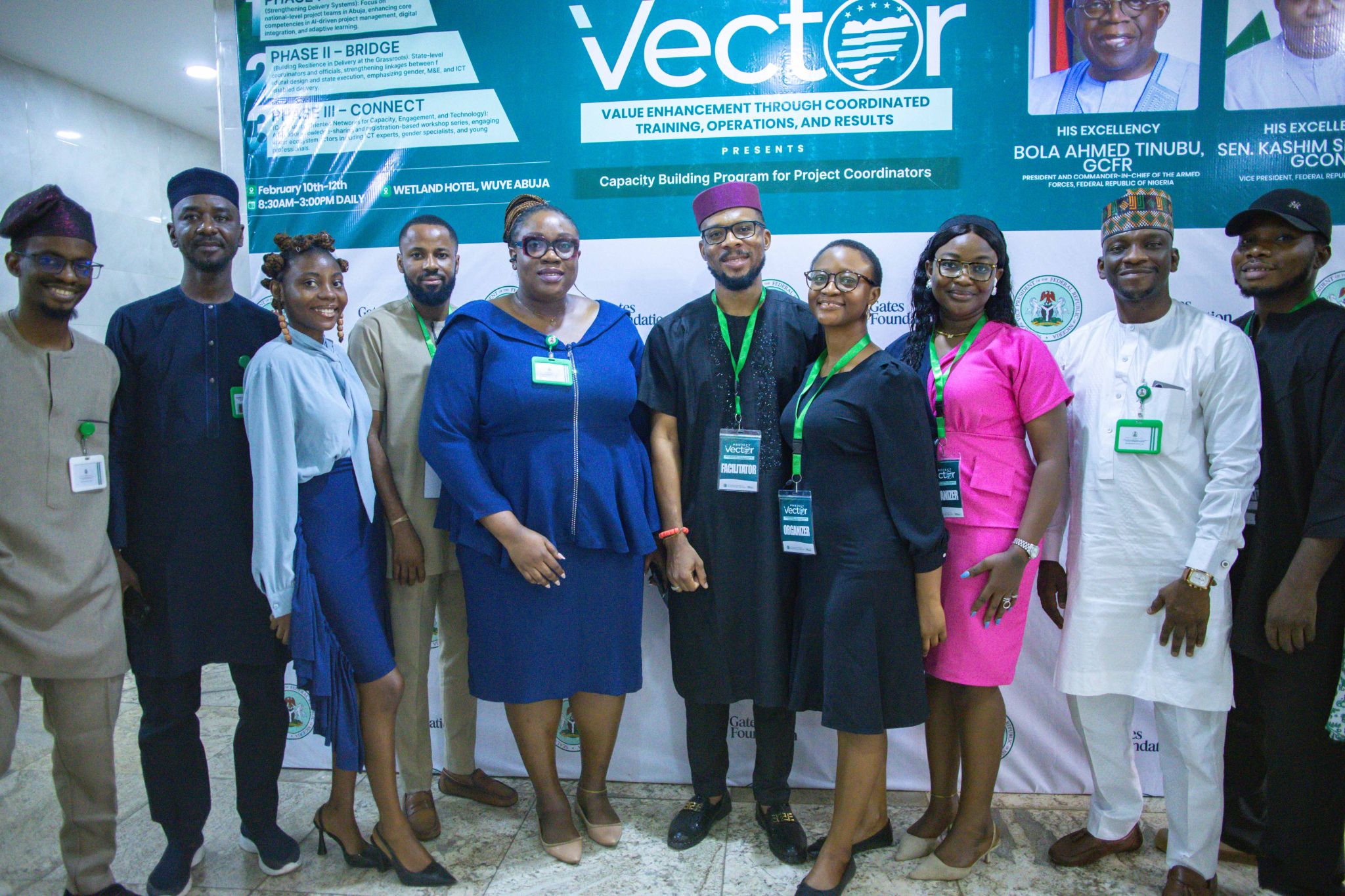
AgPE-PMO | Project Vector: Phase II: BRIDGE…Building Resilience in Delivery at the GrassrootsThe Office of the Vice President, Federal Republic Of Nigeria (Agribusiness & Productivity Enhancement), recently concluded Project Vector (Value Enhancement Through Coordinated Training, Operations, and Results), a three-phase national capacity-strengthening programme built to strengthen agricultural project delivery across federal, state, and ecosystem levels in Nigeria. Phase II, BRIDGE (Building Resilience in Delivery at the Grassroots), directed attention to the operational realities of agricultural programme delivery at state and community levels. State implementation teams, ministry field officers, and subnational coordination units participated in structured sessions designed to strengthen the quality and consistency of on-the-ground delivery. Participants examined how federal programme designs are translated into state workplans, worked through practical monitoring and coordination tools, and developed structured protocols for community engagement and beneficiary inclusion. Sessions addressed the specific operational challenges that affect timelines, budget management, and the integrity of field-level reporting. Through collaboration and peer review, the teams discussed coordination and flexible delivery approaches rooted in their institutional contexts.These are working resources that apply directly to their programmes. The outcomes of Phase II reinforced a critical principle: that sustainable agricultural delivery depends as much on what happens at the grassroots as it does at the federal level. Phase III, CONNECT, would extend this work further by engaging the innovation and technology ecosystem.
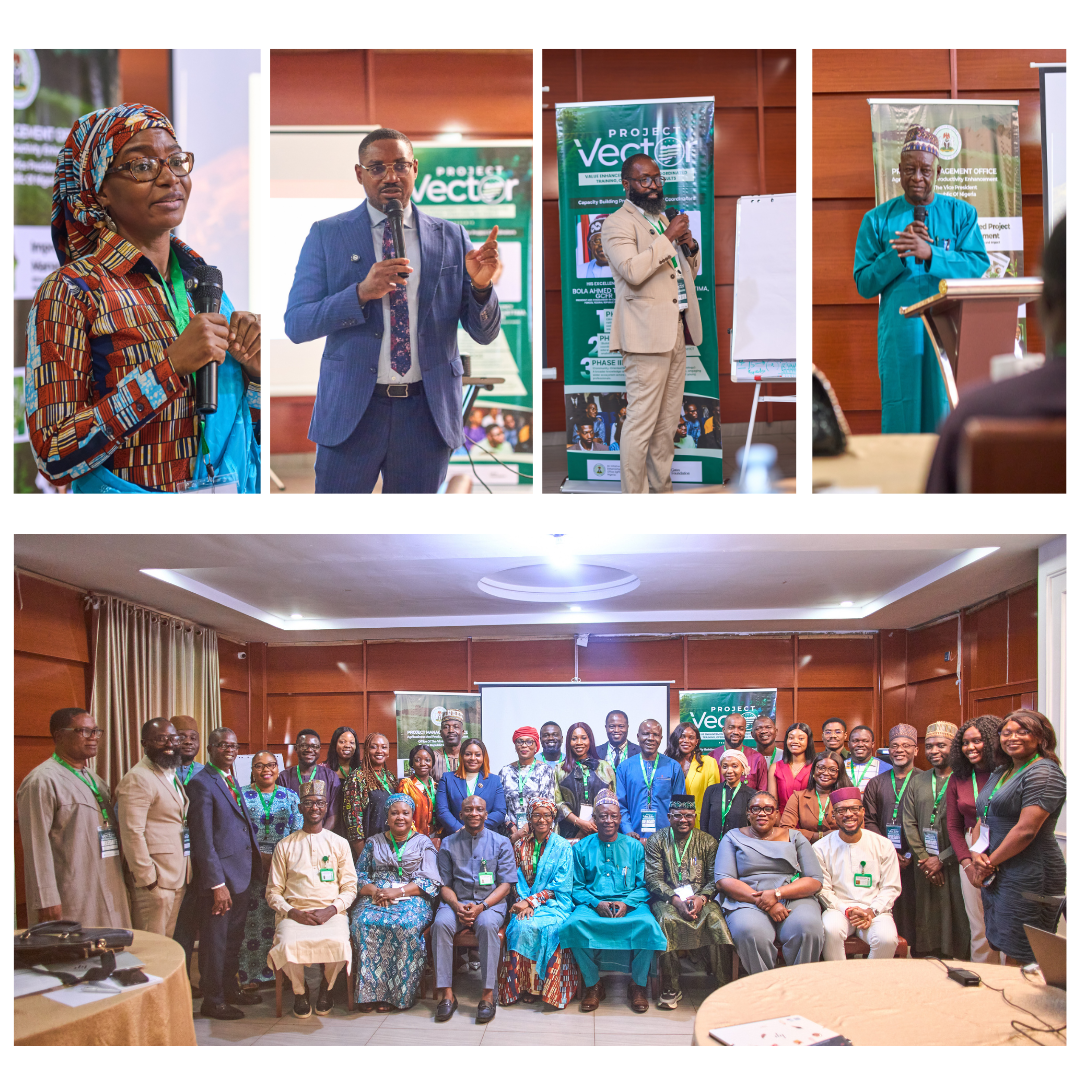
Project Vector: Phase I — STRIDES: Strengthening Delivery Systems
Project Vector: Phase I — STRIDES: Strengthening Delivery SystemsThe Office of the Vice President, Federal Republic Of Nigeria (Agribusiness & Productivity Enhancement) Project Management Office (AgPE-PMO), recently concluded Project Vector, Value Enhancement Through Coordinated Training, Operations and Results, a three-phase national capacity-strengthening programme built to strengthen agricultural project delivery across federal, state, and ecosystem levels in Nigeria. Phase I, STRIDES (Strengthening Delivery Systems), brought together senior project coordinators, programme managers, and Monitoring and Evaluation leads from federal ministries and national agricultural programmes. The sessions focused on strengthening the design, monitoring, and reporting of programmes.Participants worked through results frameworks, looked at reporting tools and dashboards currently in use across federal programmes, and put the international development partners’ standards into practice.Dedicated sessions on digital and AI-enabled monitoring introduced participants to data collection platforms, early-risk dashboards, and programme supervision tools suited to the scale and complexity of Nigeria’s agricultural portfolio. By the close of Phase I, participating teams had developed revised results frameworks and practical reporting improvement plans, equipping them to meet donor performance standards with greater confidence and consistency. The revised results frameworks and reporting improvement plans developed during Phase I represent a practical step forward in strengthening accountability and programme performance across Nigeria’s federal agricultural portfolio.Phase II, BRIDGE, would build on this foundation by addressing delivery at the state and community levels.Thanks to our facilitators and partners (Sahel Consulting, Gates Foundation, Aisha Hadejia, Orok Unoh, Fola Olatunji-David and key representatives across various institutions who attended)
Building a Connected Agricultural Future: The STRIDES, BRIDGE & CONNECT Journey
Nigeria’s agricultural sector is home to a growing portfolio of well-funded, strategically important programmes spanning federal ministries, state implementation units, and a dynamic ecosystem of innovators and private sector partners.The opportunity is significant, and so is the responsibility to deliver. In pursuit of that responsibility, the Agribusiness and Productivity Enhancement Project Management Office (AgPE-PMO), under the Office of the Vice President, designed and launched Project Vector (Value Enhancement Through Coordinated Training, Operations and Results), a structured, three-phase national capacity-strengthening programme built to equip agricultural project teams at every level with the tools, knowledge, and networks to deliver results. The programme was structured around three progressive phases.– STRIDES (Strengthening Delivery Systems) engaged national coordinators and federal programme teams on results-based management, M&E frameworks, and donor compliance.– BRIDGE (Building Resilience in Delivery at the Grassroots) worked with state-level implementation teams on operational coordination and adaptive delivery.– CONNECT (Community-Oriented Networks for Capacity, Engagement and Technology) brought together ICT experts, agri-tech innovators, and young professionals to advance digital adoption across the sector. Together, the three phases aim to create a connected community of practice across Nigeria’s agricultural delivery ecosystem, one that development partners and donors can count on to protect and accelerate returns on their investments in Nigeria’s agricultural future. The posts that follow document each phase of the programme, the participants, the focus areas, and the outcomes delivered across STRIDES, BRIDGE, and CONNECT.
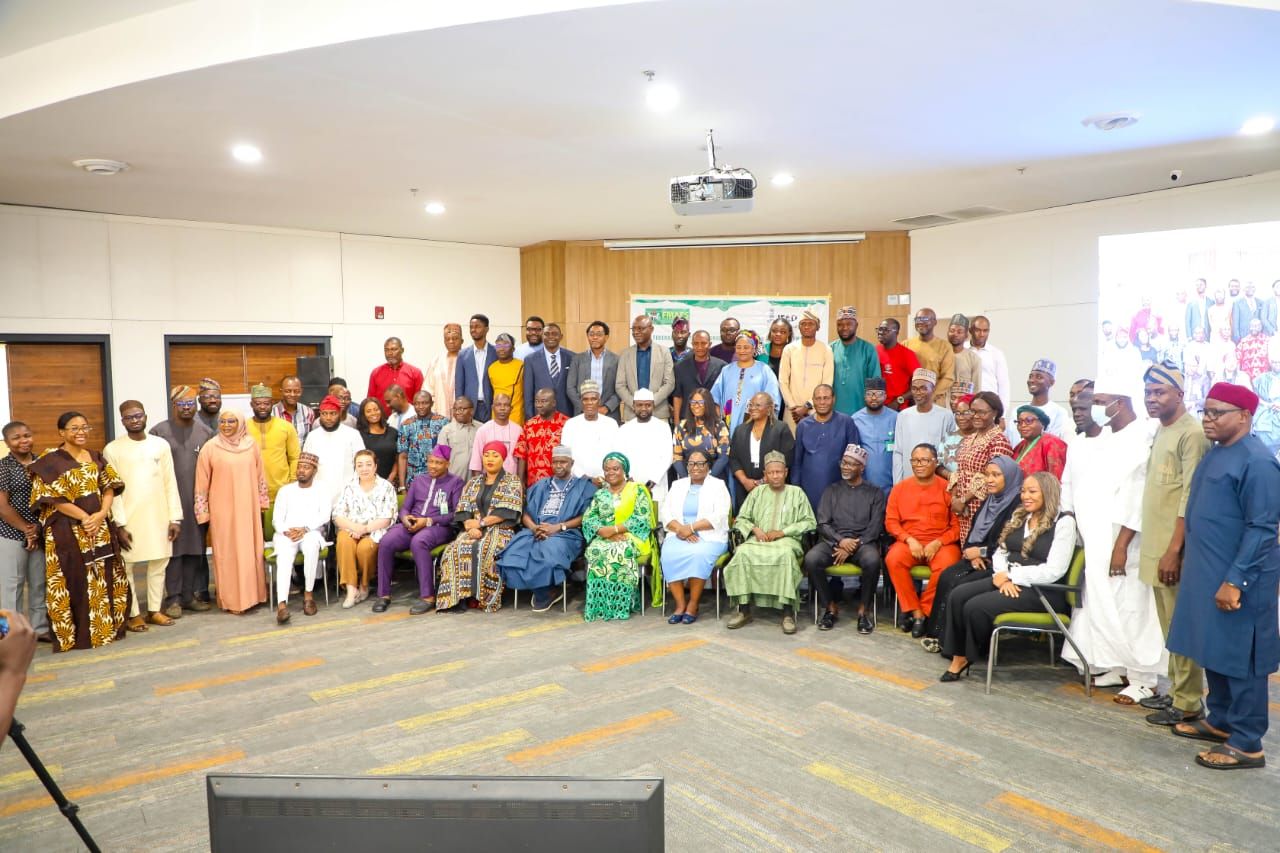
2025 Annual Results Review of the International Fund for Agricultural Development–FGN Country Strategic Opportunities Programme (COSOP 2024–2029)
At the 2025 Annual Results Review of the International Fund for Agricultural Development–FGN Country Strategic Opportunities Programme (COSOP 2024–2029), the Agribusiness and Productivity Enhancement Project Management Office engaged with federal and state stakeholders to review progress, assess delivery risks, and identify priority actions for accelerating Nigeria’s agrifood transformation agenda. The PMO was represented by Abubakar Shinkafi (Partnerships and Communications) and Tahir Dalorima (Agronomy), who contributed to technical sessions and strategic dialogues. With agriculture accounting for a significant share of employment and rural livelihoods, performance in the sector remains central to national stability, food security, and inclusive growth. The review highlighted strong delivery results, including over-target performance in market, processing, and storage infrastructure, alongside steady progress in producer organization strengthening, rural finance, and enterprise development. At the same time, the need to speed up climate-resilient practices, water infrastructure, and production technology training was clear. The PMO also held constructive discussions with the IFAD Country Director on strengthening collaboration and support for coordination. We commend IFAD’s sustained investment in rural development and remain committed to partnership-driven delivery that translates programmes into lasting impact across Nigeria’s priority value chains.
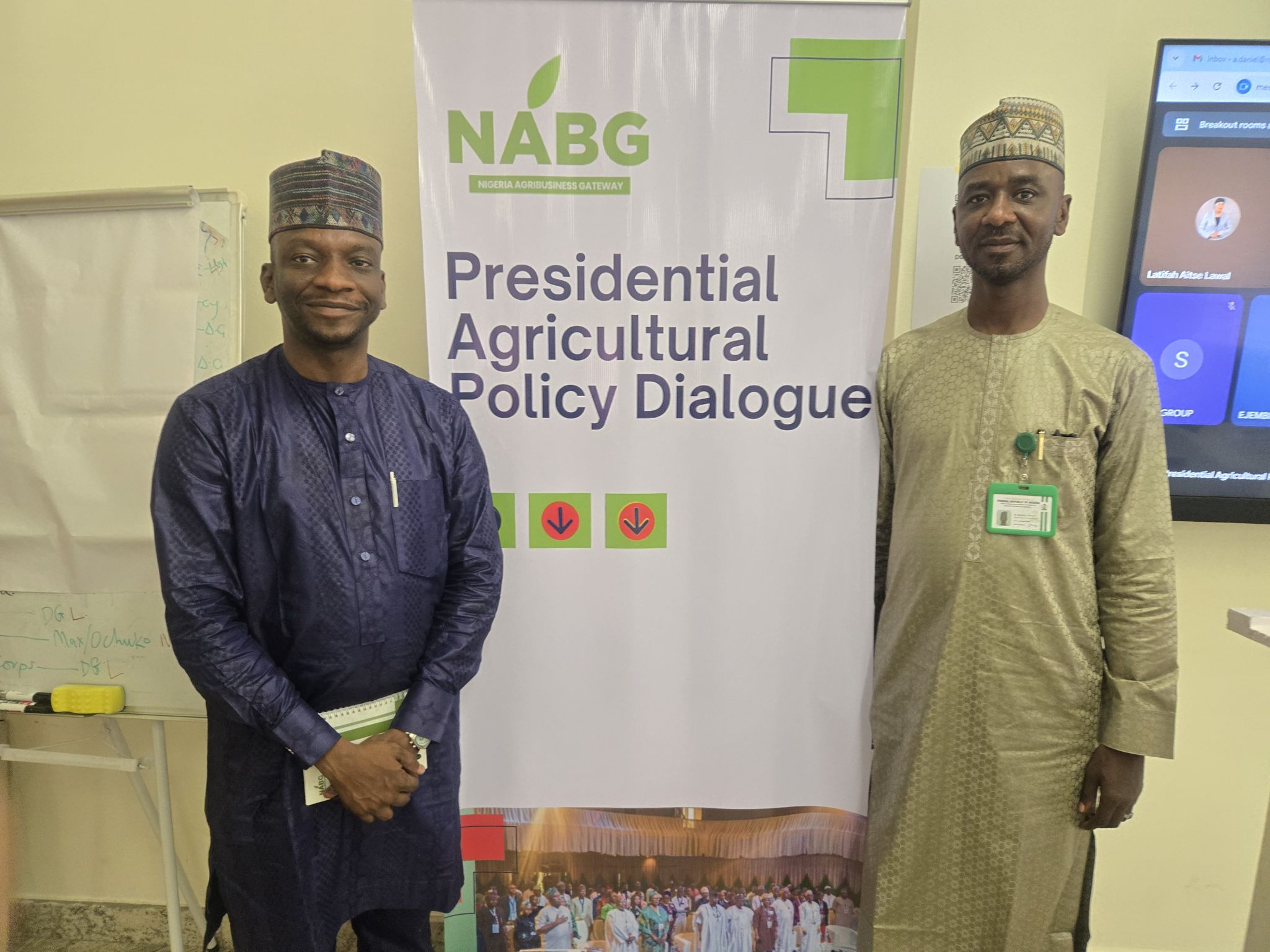
The AgPE-PMO participated in the 2026 Presidential Agricultural Policy Dialogue convened by the Nigeria AgriBusiness Group (NABG)
The Agribusiness and Productivity Enhancement Project Management Office participated in the 2026 Presidential Agricultural Policy Dialogue convened by the Nigeria AgriBusiness Group (NABG), at a time when unemployment, poverty, and rural insecurity continue to constrain livelihoods across many Nigerian communities. Against this backdrop, the Dialogue brought together senior government officials, private sector leaders, development partners, and academia to examine how agribusiness can be positioned not only as an economic driver, but as a practical pathway for job creation, rural stability, and social inclusion. The AgPE-PMO was represented by Dr Abubakar Shinkafi (Partnerships and Communications) and Dr Tahir Dalorima (Agronomy), who engaged with stakeholders on opportunities for collaboration, implementation alignment, and knowledge exchange across priority value chains.These interactions remain central to strengthening delivery, sharing insights, and translating collective effort into measurable progress across Nigeria’s agribusiness landscape.
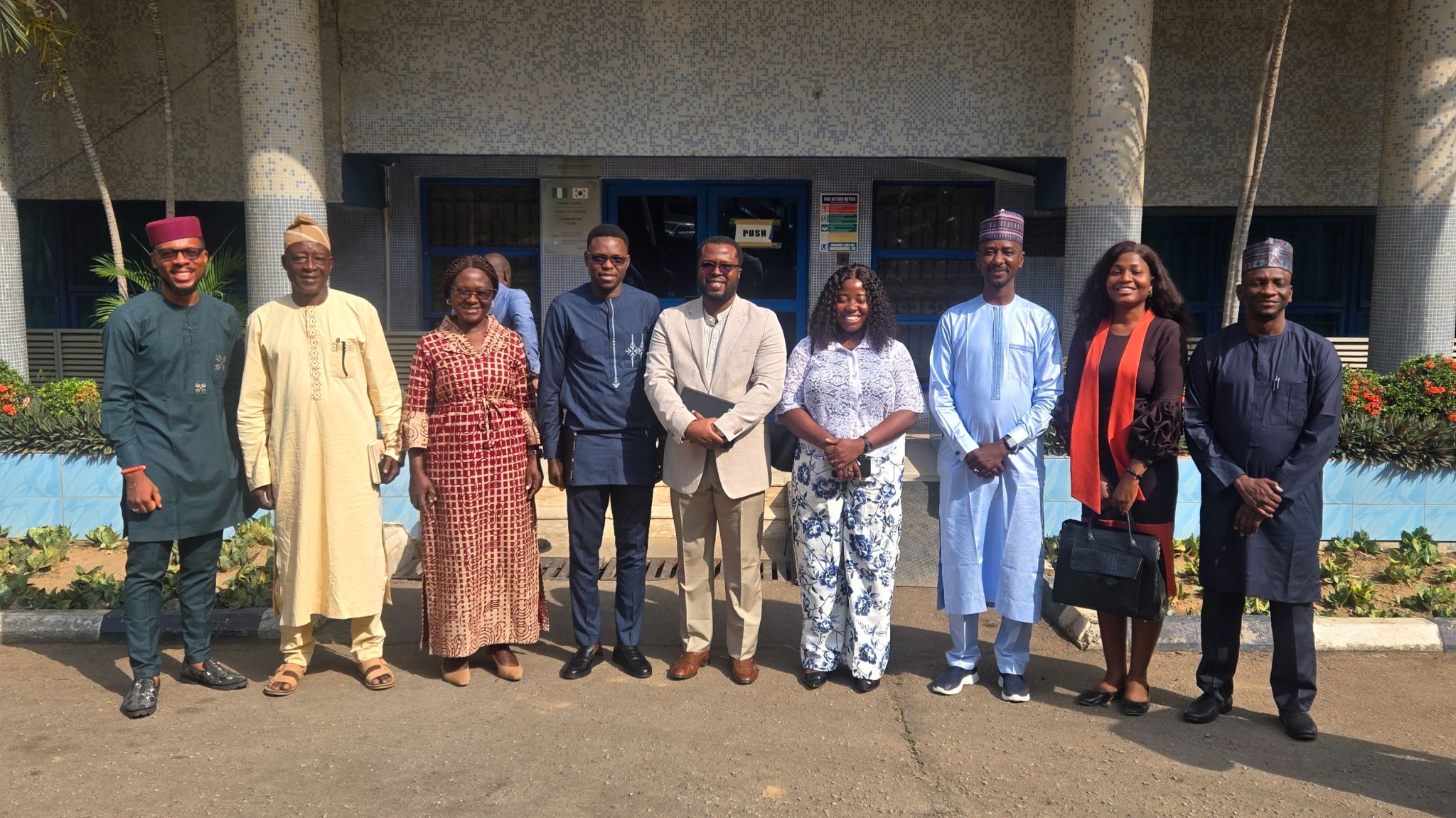
The Agribusiness and Productivity Enhancement Project Management Office under the Office of the Vice President (Nigeria) recently hosted experts from International Institute of Tropical Agriculture and Sahel Consulting
The Agribusiness and Productivity Enhancement Project Management Office under the Office of the Vice President (Nigeria) recently hosted experts from International Institute of Tropical Agriculture and Sahel Consulting, led by Managing Partner Temi ADEGOROYE, to explore innovative solutions in the yam value chain. The engagement focused on emerging opportunities to strengthen productivity, scalability, and commercialization through improved seed systems, rapid propagation technologies, and practical quality assurance models being advanced under IITA’s PROSSIVA initiative. These efforts are helping to reposition yams as a strategic crop for food security, income generation, and export diversification. Led on behalf of the PMO by Team Lead Tochukwu Mbanugo, discussions also reviewed recent analytical insights, implementation gaps, and pathways for coordinated support across public and private stakeholders.The delegation formally invited the OVP to participate in the forthcoming National Yam Advocacy Summit. The AgPE-PMO remains open to collaboration and coordination support that strengthens delivery across priority value chains and translates research and policy into practical outcomes.
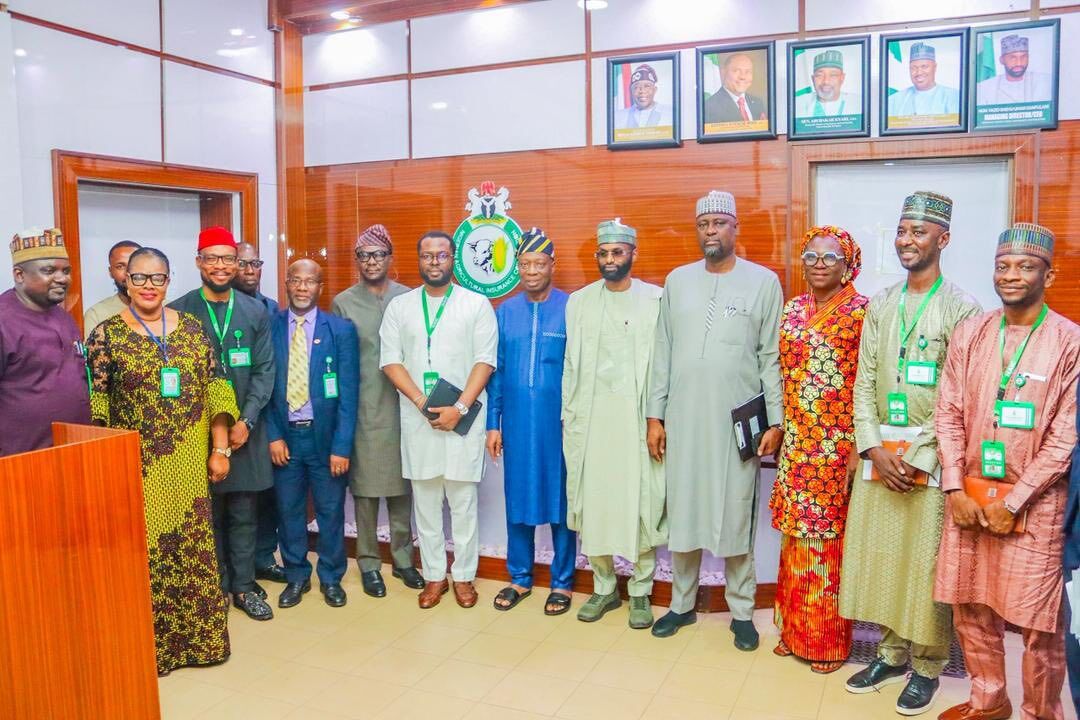
Office of the Vice President, paid a courtesy visit to the Nigerian Agricultural Insurance Corporation (NAIC).
The Project Management Office for Agribusiness and Productivity Enhancement, under the Office of the Vice President, paid a courtesy visit to the Nigerian Agricultural Insurance Corporation (NAIC).The delegation, led by Mr. Tochukwu Mbanugo, was warmly received by the leadership of NAIC. The discussions focused on identifying strategic areas of synergy and collaborative support between both organizations.Emphasis was placed on integrating agricultural insurance into special intervention programs nationwide.This integration aims to enhance risk management, build farmer resilience, and promote sustainable agricultural productivity across Nigeria. We commend NAIC, under the leadership of Managing Director/CEO Hon. Yazid Shehu Umar Danfulani, Executive Director (Operations & Technical) Hon. Abubakar Jarengol, and Executive Director (Finance & Administration) Prince Ayandayo Rasheed Babaranti, for its critical role in protecting and advancing Nigeria’s agricultural sector through robust insurance frameworks.
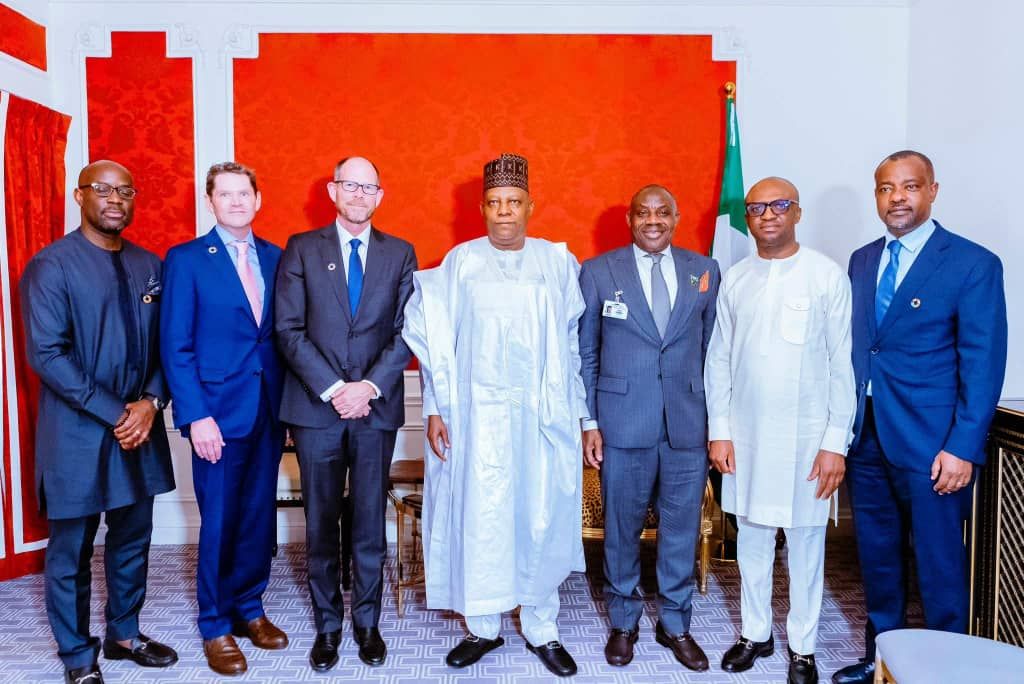
Vice President Kashim Shettima (GCON) held a series of high-level engagements with United Nations General Assembly (UNGA) 2025 in New York
Vice President Kashim Shettima (GCON) held a series of high-level engagements on the sidelines of the recently concluded United Nations General Assembly (UNGA) 2025 in New York, reinforcing Nigeria’s commitment to strategic global partnerships for inclusive growth. In a bilateral meeting with President Nadi Nadibia of Namibia, both leaders reaffirmed their shared commitment to deepen cooperation across key sectors, with President Nadibia expressing intent to undertake an official visit to Nigeria soon. The Vice President also met with the Gates Foundation delegation, led by CEO Mark Zusman, where discussions focused on Nigeria’s priorities in agriculture, healthcare, and human capital development. The Foundation reaffirmed its support for the country’s reform and innovation agenda. Dr. Kingsley Uzoma (PhD), Senior Special Assistant to the President on Agribusiness and Productivity Enhancement, and key members of the Nigerian delegation were in attendance. These engagements reflect Nigeria’s proactive diplomacy and determination to leverage global partnerships for sustainable development and shared prosperity.
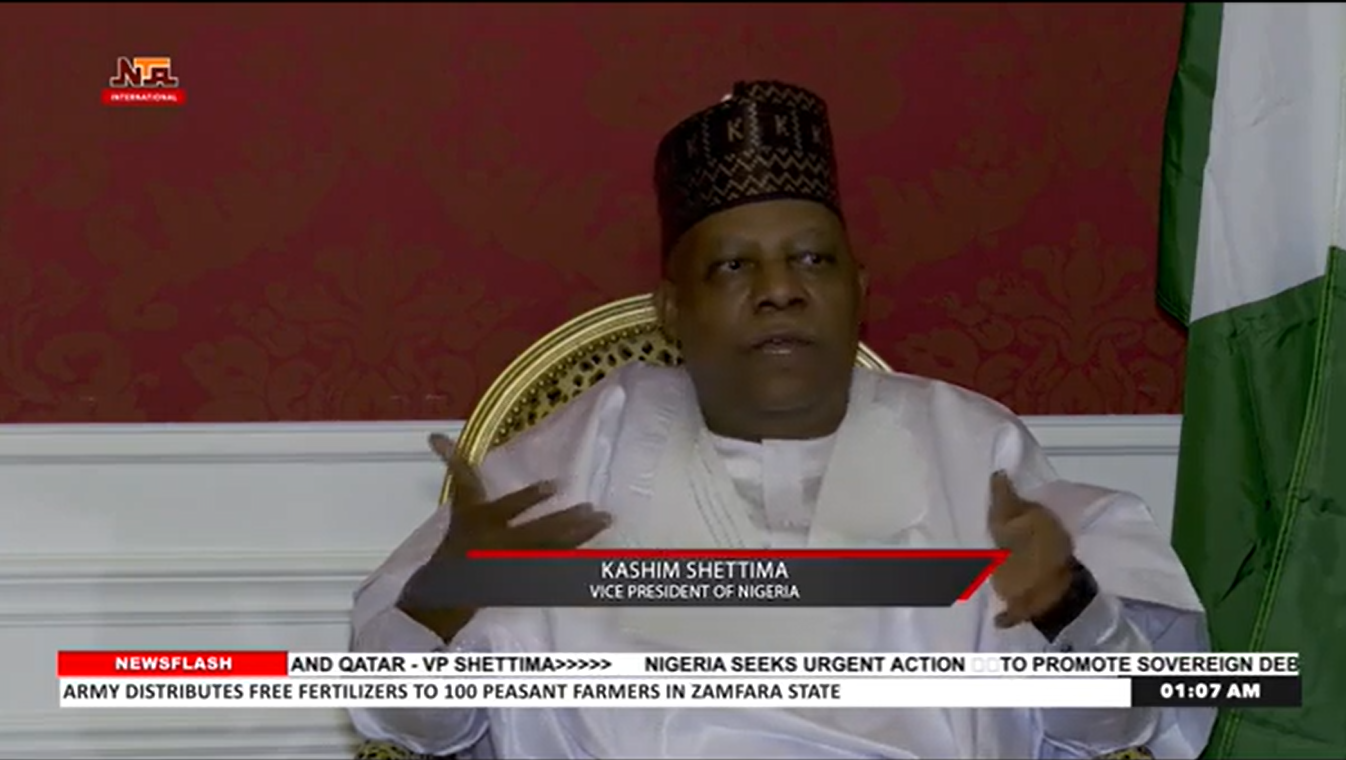
Vice President Sen. Kashim Shettima (GCON) held a series of strategic engagements on the sidelines of the United Nations General Assembly (UNGA) 2025 in New York…
Vice President Sen. Kashim Shettima (GCON) held a series of strategic engagements on the sidelines of the United Nations General Assembly (UNGA) 2025 in New York, strengthening Nigeria’s international partnerships. In a bilateral meeting with President Nadi Nadibia of Namibia, both leaders committed to deepening cooperation, with the Namibian President announcing plans for an official visit to Nigeria. This marks a renewed momentum in strengthening diplomatic and economic ties between the two nations. The Vice President also engaged the Gates Foundation delegation led by CEO Mark Zusman. Discussions centered on Nigeria’s development priorities in agriculture, healthcare, and human capital.The Foundation reaffirmed its commitment to supporting Nigeria’s reform agenda, with a strong focus on innovation, technology, and sustainable solutions. These engagements reflect the government’s determination to leverage global partnerships for inclusive growth, economic transformation, and social development.
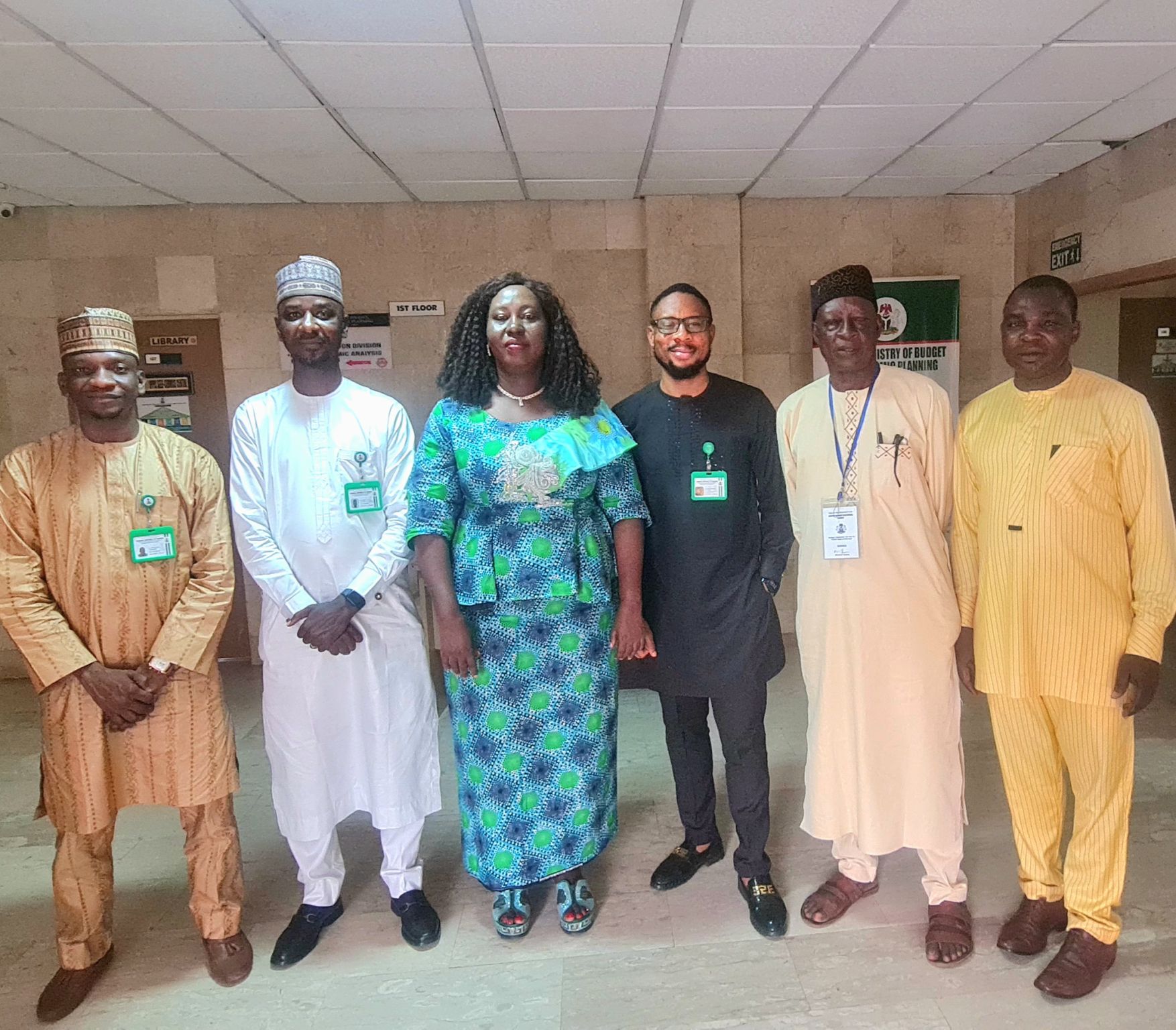
The AgPE-PMO met with Mrs. Clementina Okoro, to explore collaboration in strategic communications and digital systems support
This week, the AgPE-PMO met with Mrs. Clementina Okoro, Director of Nutrition and Food Systems, to explore collaboration in strategic communications and digital systems support, which are critical tools to equip the project task force and implementation teams. The Nutrition and Food Systems Directorate of the Federal Ministry of Budget and Economic Planning plays a supporting and coordinating role in advancing Nigeria’s food and nutrition agenda. Its mandate focuses on ensuring coherence across government, development partners, and communities. Through this mandate, the Directorate leads the National Food Systems Transformation Pathways (NFSTPs), aligning priorities across MDAs, state governments, the private sector, NGOs, and research institutions to strengthen delivery and accountability. It also provides coordination support for the Nutrition 774 Initiative, a flagship grassroots programme under the Presidency that channels nutrition interventions across all 36 states and 774 LGAs.