
Applying Global Best Practices to Nigeria’s CTG Sector Transformation
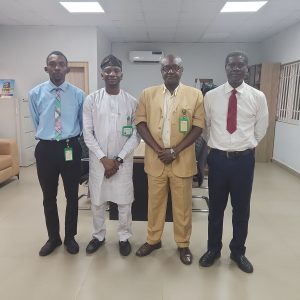
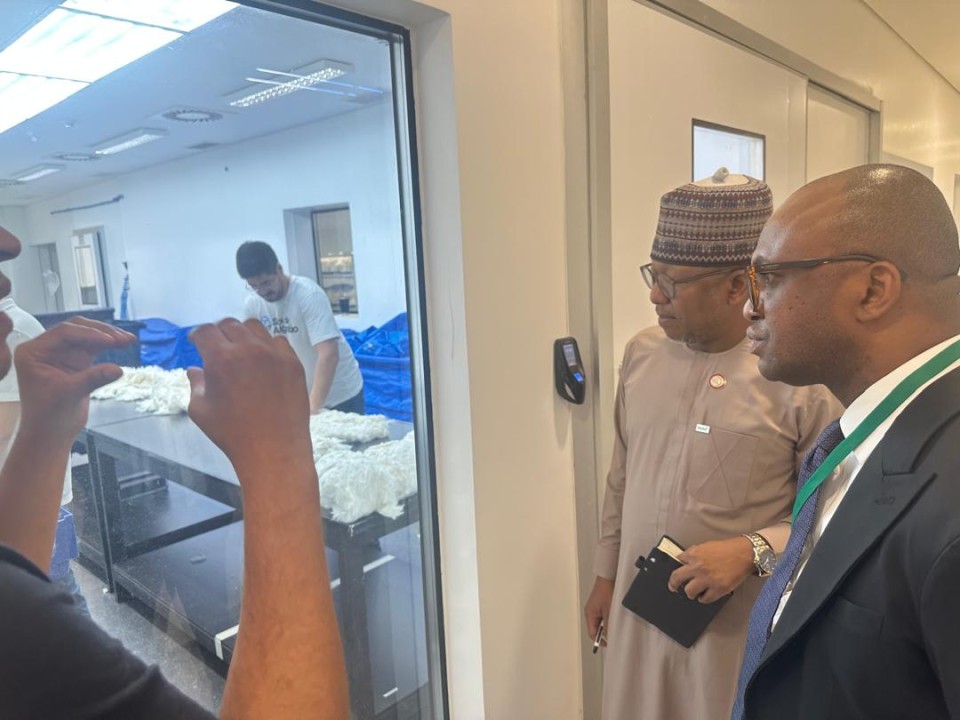
Brazil’s National Central Laboratory of Cotton (Cotton Brazil) presented a world-class example of how scientific infrastructure, data transparency, and institutional coordination can drive sectoral transformation to the Senior Special Assistant to the President on Agribusiness and Productivity Enhancement Dr Kingsley Uzoma, PhD, during his visit to their facility.
Today, Brazil stands as the world’s largest cotton exporter, having produced 3.7 million tons of lint in the 2023/2024 cotton year and exported approximately 2.7 million tons, valued at $5.29 billion.
Remarkably, this was achieved with 93% of production on dryland farms, using no irrigation.
Over two decades, Brazil reduced its cotton acreage by 54%, while increasing yields by 648%, from 248 kg/ha to a global-leading 1,857 kg/ha.
This leap is underpinned by a national testing ecosystem where 100% of cotton is evaluated using High-Volume Instruments (HVI). Brazil’s Cotton Quality Control Program (SBRHVI) ensures uniform classification, traceability, and international certification through the CBRA lab network.
For Nigeria, these learnings offer a blueprint.
The revitalization of the Cotton, Textile, and Garment (CTG) sector must embed rigorous testing, digital traceability, and quality assurance at its core.